The Ultimate Guide to the Best Workforce Planning Software
Workforce planning software ensures the right people are in the right place at the right time. This guide covers essential features, top solutions like Workday, Anaplan, Deel, Planful, and ADP, plus best practices for implementation, integration, and future workforce strategies.
August 21, 2025
Blog
The Ultimate Guide to the Best Workforce Planning Software
Workforce planning software ensures the right people are in the right place at the right time. This guide covers essential features, top solutions like Workday, Anaplan, Deel, Planful, and ADP, plus best practices for implementation, integration, and future workforce strategies.
Workforce planning is the secret sauce for running a lean, mean, people-powered machine; it is not only HR chatter. If you are reading this, you probably understand that controlling the capacity, abilities, and schedules of your team can feel like shepherding cats. Workforce planning software then comes in quite handy. It guarantees clarity amid turmoil foresight of where you are headed, and ensures you have the correct people on board when you most need them. So take a cup of coffee, settle in, and let’s dissect the top workforce planning tool available to change your people management approach.
What Is Workforce Planning Software?
For HR teams, workforce planning applications serve as their crystal ball. It tracks abilities, uses data to assist in forecasting future employment needs, manages employee calendars, and guarantees the correct talent is in place to propel success. Imagine running your team with the accuracy of a Swiss watch, with no more last-minute scrambling or surprises.
Fundamentally, this program combines information from many sources to produce thorough, real-time insights. These methods transform unprocessed data into practical plans for both long-term development and seasonal demand forecasts. They enable you to wave goodbye to speculation and welcome educated decision-making.
Why Workforce Planning Matters
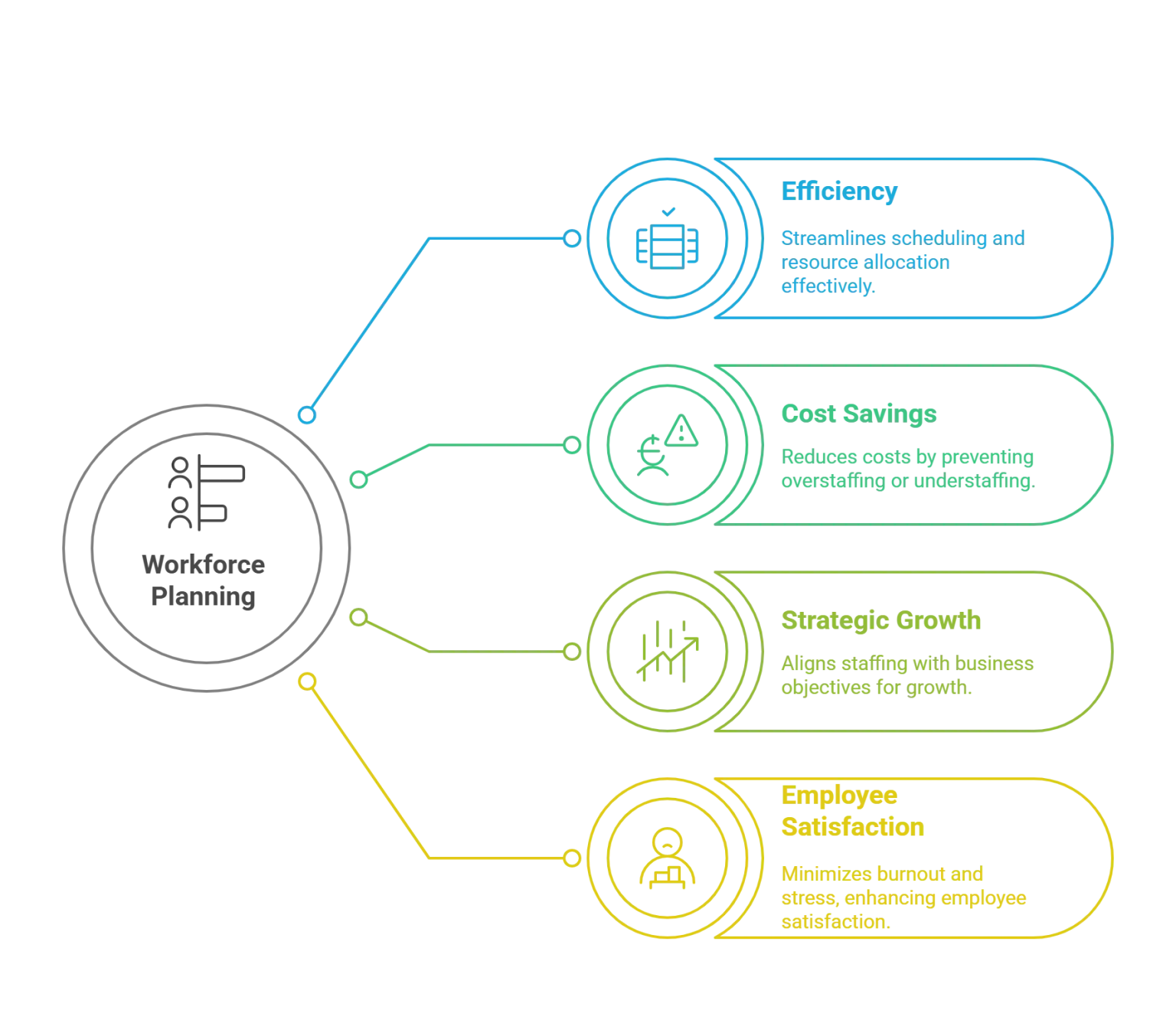
Your most priceless resource is people. Managing them without a clear strategy, then, is like trying to run a race while blindfolded. Workforce planning is essential as it promotes:
Efficiency: It streamlines scheduling and resource allocation.
Cost Savings: Avoids overstaffing or understaffing. Money saved is money earned.
Strategic Growth: Helps align staffing with business goals.
Employee Satisfaction: A well-planned workforce reduces burnout and stress.
Agility is essential in today’s fast-paced world. Software for workforce planning helps companies to be fast in response to changes in the market and guarantees that they have the skills to tackle fresh problems directly. Consider it as the hidden weapon of your HR team that transforms anarchy into a well-tuned machine.
Essential Attributes to Seek in Workforce Planning Software
1. A User-Friendly Interface That Just Feels Right
Let us first go with the fundamentals. See the program like the dashboard of a car. You want everything, including the right speed, fuel gauge, and all the critical buttons, when you buy a new automobile without having to spend years reading the handbook. That basic dashboard is what a user-friendly interface resembles. Your staff won’t have to fight to pick up the tool’s use.
Imagine a program with a neat, basic design greeting you. Every button performs what you would anticipate; all of your vital data is readily available. Nobody wants to commit hours to learning how to operate a program meant for rocket scientists. With the correct interface, you and your staff can start right away, concentrate on planning, and avoid being lost in a tangle of unclear menus.
Spend some time visualizing your preferred app or website that you use daily on your phone. You want a sense of simplicity from your labor planning tool. It should be kind and straightforward, like a good friend showing you precisely what you need without any effort.
2. Data Integration
Let us now specifically discuss data. Most companies have HR data living everywhere. You might have performance reports strewn throughout several tools, payroll information in one location, and employee records in another. Every time you require a bit of information, it may be like a digital scavenger hunt. Data integration then becomes really important.
Excellent workforce planning systems compile information from many sources and show it on one dashboard. It’s like having a well-ordered filing cabinet with everything in its right place. You receive one clear image of the performance and requirements of your team instead of constantly flipping between several instruments.
Consider searching a disorganized room for your car keys. Quite frustrating. Imagine now a clean room where everything is orderly, and you can locate your keys in a few short seconds. Data integration’s power is such. It saves time, lessens errors, and speeds up your ability to make wise selections. Having all of your data in one location will save valuable time searching for specifics. All of it flows naturally, like an ideally practiced dance.
3. Forecasting and Analytics
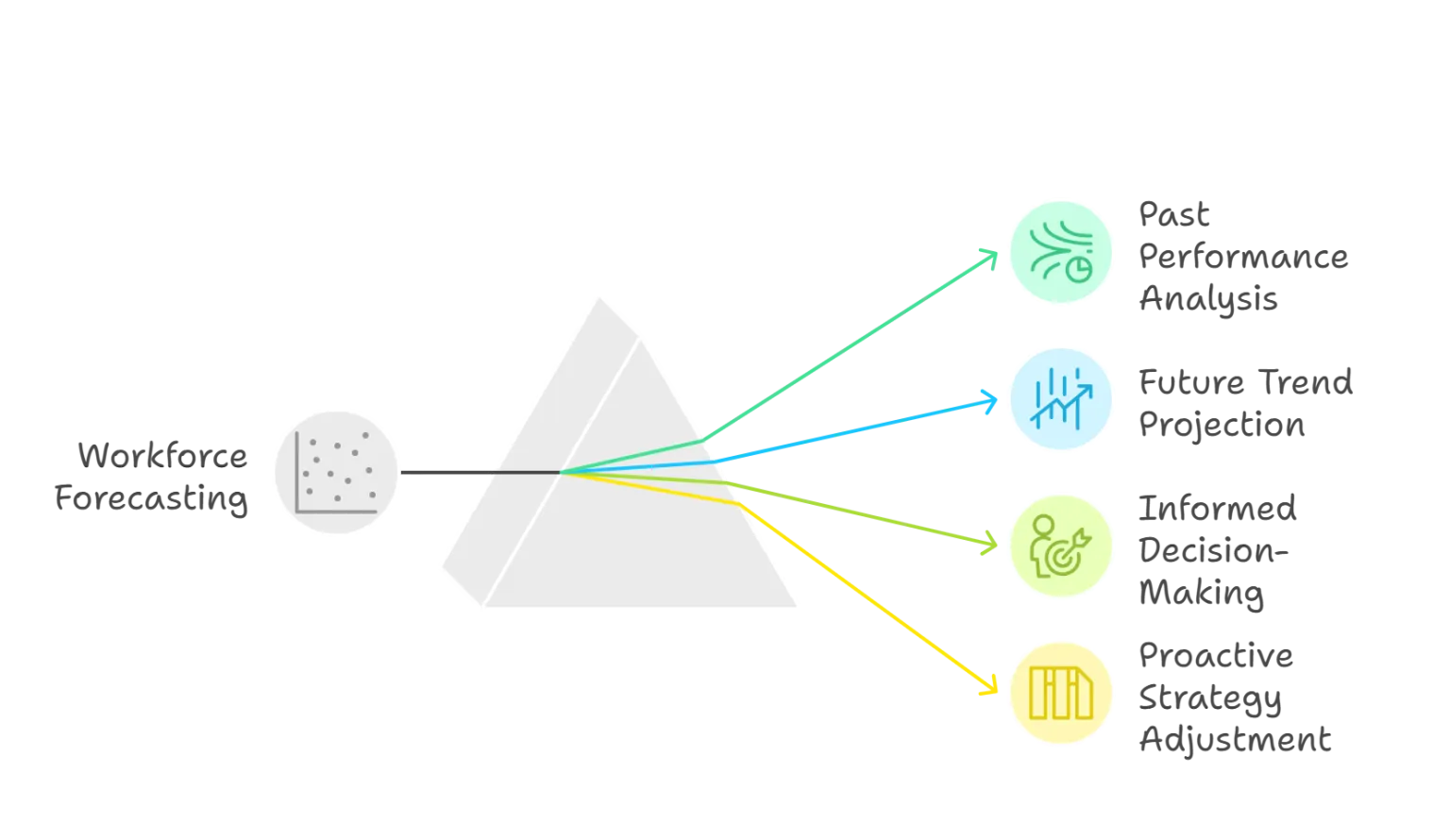
Always wish you possessed a crystal ball? Although workforce planning applications cannot foresee lottery numbers, competent programs do include strong analytics and forecasting features. These tools enable you to examine past performance as well as, more crucially, project future patterns.
Imagine knowing where your company is headed. Strong forecasting instruments enable confident planning ahead. You will know when to scale back or train your staff or when to call for additional workforce. It’s an educated analysis grounded on the current numbers; it is not magic.
See it like organizing a road trip. You can decide on the best path if your map indicates not only the roads you are now on but also the future traffic conditions. Forecasting in systems of labor planning functions similarly. It alerts you to possible obstacles and possibilities so you may modify your strategies before a problem starts. This means you always keep one step ahead instead of continually running catch-up.
4. Real-Time Reporting
Waiting for a report in the fast-paced world of today could feel like watching paint fade. Business moves swiftly; hence, you must have current knowledge to make the best decisions. Real-time reporting gives you a quick understanding as events transpire. Wait no longer for a weekly or monthly summary to keep up with events.
Consider it as akin to live sports commentary. Not what happened last week; you are interested in knowing what is going on in the field right now. Real-time reporting gives you ongoing awareness of the performance of your workforce. Should something not go as expected, you are quick to identify it and can correct it right away.
Given today’s always-shifting corporate scene, this function is handy. Real-time reports let you know whether employment demands suddenly rise or if productivity falls unexpectedly. They keep your company flexible and enable you to make snap judgments. It’s like having an updated personal assistant who never sleeps.
5. Mobile Accessibility
Not everyone, to be honest, is fixed to a desk all day. As remote work is becoming more common, you really must be able to access your program on a mobile device. Mobile accessibility lets you view your workforce data anywhere, at any time. Your data is right here, wherever you are in the office, on a train, or during a coffee break at your preferred café.
Imagine being on the run and able to make a quick decision or catch up on a report while in line. It’s all about adaptation. Mobile-friendly applications guarantee that you are not limited to a desktop computer. In a society where work-life balance takes the stage, this independence is essential.
One significant game-changer is being able to access material on your tablet or phone. It implies that you are still linked to your team and the essential data even while you are away from your desk. Always available to back your company decisions, it’s like carrying a small office in your pocket.
6. Customization and Scalability
Every company is individual. One company’s solution could not apply to another. Customizing is crucial in labor planning tools. The best programs allow you to customize dashboards, reports, and analytics to fit your particular requirements. It’s like having a suit created especially for you instead of off-sale.
Customizing helps you to concentrate on the information that is most important for your company. Given your retail background, you should monitor seasonal employment patterns. If you work in technology, keep an eye on innovation pipelines and project teams. Regardless of your niche, the program should fit your requirements rather than the other way around.
Still, another important consideration is scalability. Your software should be developed with your company. Imagine beginning with a small staff and working your way up to hundreds or perhaps thousands of workers. The program should be able to manage such expansion without skipping a beat. No matter how much data you feed it, it should stay quick, effective, and dependable.
Consider it as a nice set of shoes. They should be comfy right now and also fit as your feet change with time. Scalability and customizing go hand in hand to make sure the product stays an excellent fit for your changing corporate demand.
7. Collaboration Tools
Planning a workforce is not a one-person show. Realizing the best ideas calls for a team. Therefore, any decent program must include cooperation mechanisms since they are really essential. They enable your staff to keep everyone on the same page, plan together, and exchange ideas.
Imagine trying to plan a collaborative project without a single shared area for documentation storage or conversation. Indeed, it would be anarchy. Built-in collaborative features let everyone have a forum to provide updates and ideas. These tools, a discussion board, shared calendars, or integrated messaging, help to make communication seamless and efficient.
Good cooperation tools guarantee that nobody is left out of the loop and help meetings to be more efficient. They let you make team-based decisions, pool ideas, and jointly review statistics. Your company moves quicker and more effectively when everyone can see the whole picture. It’s like having a round table whereby every voice counts to guarantee that your workforce planning is as strong and inclusive as it can be.
Top Workforce Planning Software Options
Let’s dive into some of the top players in the market. While each tool has its own strengths, they all aim to simplify the HR puzzle and give you a clear view of your workforce landscape.
Workday
Overview
Workday has carved out a niche for itself in the cloud-based HR and finance world. Known for its comprehensive suite of tools, Workday manages everything from recruitment to retirement with a single, streamlined platform. The software is built with scalability in mind, meaning it can handle the complexities of a startup as gracefully as those of a global enterprise.
Why It Stands Out
User Experience: Workday boasts an interface that’s as sleek as a well-polished smartphone. Its intuitive design makes it a breeze to navigate even if you’re more comfortable with pen and paper.
Advanced Analytics: Data is at the heart of wise decision-making. Workday’s analytics engine offers powerful forecasting tools, providing you with insights into workforce trends before they become tomorrow’s crisis.
Scalability: From growing startups to established multinationals, Workday scales effortlessly, ensuring that no matter the size of your organization, you’re always equipped to manage your workforce effectively.
Integrated Ecosystem: The platform isn’t just about HR it bridges finance and operations, too, creating a seamless ecosystem that eliminates the siloed approach of yesteryear.
In-Depth Insights
Workday is a tool, but in modern HR management it is also a partner. Its cloud-based construction guarantees strong security and real-time data access. Regular upgrades and an always changing feature set help it to keep ahead of the curve in handling the dynamic needs of contemporary companies.
Companies trying to revamp their HR processes will especially find use for the platform. Workday combines these tasks into one logical solution regardless of your tracking of employee performance, payroll monitoring, or talent pipelines. This implies more time for strategic projects and less time managers wasting juggling several systems.
Moreover, the mobile-friendly design of Workday lets HR experts access important information whenever. Imagine being able to approve a time-off request on your way or over morning coffee, seeing a talent report. Convenience is changed in definition.
Workday is a great tool for any company trying to future-proof its HR systems since of its dedication to innovation and user-centric design.
Anaplan
Overview
Anaplan is a powerhouse in the realm of connected planning. While it’s not exclusively an HR solution, its robust platform has found a dedicated following among organizations looking to unify planning processes across various functions including workforce planning. Anaplan is all about turning disparate data into a cohesive strategy, ensuring that every department is singing from the same hymn sheet.
Why It Stands Out
Connected Planning: Anaplan excels at linking data across the enterprise. Its platform allows HR, finance, and operations to collaborate seamlessly, leading to more informed and agile decision-making.
Real-Time Scenario Analysis: With Anaplan, you can model multiple scenarios to see how different variables affect your workforce. It’s like having a crystal ball that tells you what might happen before it actually does.
Customizable Dashboards: The software offers dashboards that can be tailored to the specific needs of your business. Whether you’re tracking headcount trends or forecasting future hires, Anaplan’s visualizations make complex data digestible.
Scalability & Flexibility: As your organization evolves, so does Anaplan. Its flexible architecture ensures that it can adapt to changing business landscapes and growth trajectories.
In-Depth Insights
Anaplan excels in its capacity to close departmental gaps. Data segregated in many systems presents difficulties for modern companies. Anaplan offers a single source of truth, therefore cutting through the mess. This linked approach implies that HR is not operating in a vacuum. Rather, workforce planning becomes a team endeavor supported by knowledge from finance, sales, and other areas.
The real-time data analysis focus of the platform changes everything. Running “what-if” exercises helps HR professionals replicate the effects of market downturns, employment freezes, or demand spikes. By means of this proactive approach, businesses enable strategic changes before possible problems become more severe.
Furthermore, Anaplan’s customizing features guarantee that it fits like a glove independent of your sector or company structure. The flexible character of the platform qualifies it for several industries, including retail and manufacturing as well as technology and healthcare. In a corporate world when one size never fits all, this adaptability is quite valuable.
Investing in Anaplan can help companies guarantee that their planning systems are as flexible and responsive as the market they run into. It’s about developing a plan that can change with the times and keep you one step ahead of the competition, not only about computing figures.
Deel
Overview
Deel is transforming corporate management of overseas and remote teams. Deel’s system offers a one-stop solution for worldwide payroll, compliance, and contractor administration in a world when remote work is not only a trend but a permanent fixture. It is meant for the modern, borderless corporate world in which knowledge has no territorial restrictions.
Why It Stands Out
Global Payroll & Compliance: Deel simplifies the complexities of international hiring. It manages payroll, tax compliance, and local labor laws, so you can hire talent from anywhere without breaking a sweat.
User-Friendly Interface: The platform is designed with simplicity in mind. Even if you’re not a tech wizard, Deel makes global HR management feel like a walk in the park.
Contractor Management: Whether you’re hiring full-time employees or freelance talent, Deel provides flexible solutions that accommodate diverse employment arrangements.
Speed & Efficiency: In today’s competitive landscape, speed matters. Deel’s streamlined processes mean you can onboard international talent quickly and efficiently, avoiding delays that can cost you time and money.
In-Depth Insights
For companies that have embraced the shift in remote labor, Deel is especially useful. Designed for a society in which workers checked in from a central office, traditional HR systems were Deel, though, knows that brilliance can originate from anywhere from sleepy rural hideaways to busy cities. Its features, which are designed to manage various legal and financial needs, mirror this worldwide viewpoint.
Deel stands out for stressing compliance among other things. Even the most seasoned HR experts can find navigating the maze of foreign labor rules to be a nightmare. Deel meets this difficulty head-on by making sure every local rule is followed. This not only lowers risk but also helps your worldwide staff to develop confidence.
Deel’s adaptability in handling permanent staff members and contractors also helps your company to adjust to evolving market conditions quickly. Having a platform that fits several kinds of work is quite important as the gig economy keeps expanding.
Deel also provides strong analytics and reporting so you may instantly view the performance and expenses of your worldwide workforce. Strategic planning depends on this degree of openness as well as guarantees that your remote operations work like a well-oiled machine.
Deel offers the capabilities enterprises wishing to maximize their remote work systems or those growing worldwide need to manage a distributed workforce effectively. It’s not only about handling payroll; it’s about designing a flawless, integrated experience that enables you to use worldwide talent free from typical red tape.
Planful
Overview
Originally called Host Analytics, Planful is a vibrant tool focused on forecasting, budgeting, and planning. Although financial planning is clearly important, Planful has expanded its reach to include workforce planning. It is meant to assist companies in projecting their future in people and performance as much as in dollars and cents.
Why It Stands Out
Comprehensive Planning: Planful brings together financial and workforce planning, creating a holistic view of your organization’s future. It’s like having a financial advisor and an HR consultant rolled into one.
User-Friendly Dashboards: Its dashboards are intuitive and customizable, allowing you to visualize data in a way that makes sense for your business needs.
Scenario Analysis: With Planful, you can run multiple “what-if” scenarios, helping you prepare for everything from market booms to economic slowdowns.
Seamless Integration: The platform integrates smoothly with existing systems, ensuring that your data flows seamlessly across all departments.
In-Depth Insights
Planful shines in how well it combines workforce planning with financial forecasts. Knowing the interaction between your budget and your human capital is absolutely vital in the erratic market of today. All in real time, Planful, HR managers can anticipate headcount, track labor costs, and match workforce levels with strategic financial targets.
The platform excels in its adaptability for modeling. Companies can run several models to observe how internal policies or changes in market conditions could affect their employees. By use of this proactive strategy, decision-makers can make changes before problems turn critical.
Another outstanding quality of Planful is its simple dashboards. They help teams better grasp trends and make wise decisions by offering clear, graphic depictions of difficult data sets. Whether your area of expertise is HR beginner or finance genius, Planful offers practical insights.
One of the main reasons Planful appeals is integration. Whether ERP, CRM, or HRIS, the platform guarantees that your data is always correct and current by deftly linking your current systems. This integration lowers the possibility of mistakes and minimizes hand data entering, therefore saving time and money.
Planful is basically meant for companies that respect accuracy and foresight. It helps companies to confidently equip themselves for the future, therefore ensuring that staff management and financial planning complement each other. Planful provides the tools to keep ahead of the curve for businesses who see planning as a continuous strategic process rather than a once-year event.
ADP
Overview
For payroll and HR, ADP has long been a pillar. Particularly designed for mid-sized to big companies seeking a complete solution covering HR, payroll, talent management, and time tracking is ADP Workforce Now. Its all-inclusive toolkit makes it a preferred alternative for companies trying to keep compliance with always changing laws and simplify their HR procedures.
Why It Stands Out
Integrated Platform: ADP brings together multiple HR functions under one roof. This integration ensures that every aspect of HR management is connected, from recruitment and onboarding to payroll and benefits.
Compliance and Regulation: ADP is renowned for staying ahead of the curve when it comes to regulatory changes. Its platform is regularly updated to reflect the latest compliance requirements, reducing the risk of legal hiccups.
Automation: The platform automates routine tasks, freeing up HR professionals to focus on strategic initiatives. Whether it’s processing payroll or tracking employee hours, ADP ensures accuracy and efficiency.
Global Reach: While ADP is especially popular in the United States, its global capabilities mean that multinational organizations can manage their workforce across borders with ease.
In-Depth Insights
Decades of HR and payroll administration knowledge help ADP establish credibility. The integrated architecture of the platform guarantees that your HR data never is isolated. ADP reduces the possibility of mistakes and guarantees that your team has access to real-time, correct data by aggregating several HR activities into one system.
Compliance is one of the toughest HR issues facing companies now. Constantly changing labor rules and tax laws might be difficult to keep up with. One big advantage of ADP’s proactive attitude toward compliance is Regular updates and built-in inspections let ADP guide you confidently throughout the regulatory terrain.
Still another pillar of ADP’s product is automation. Once requiring hours, routine chores such payroll computation, benefit management, and shift scheduling are now done automatically. This not only improves effectiveness but also frees HR managers to concentrate on higher level strategic planning. ADP guarantees that every minute spent on HR chores is maximized for output in a society when time is money.
ADP’s international features especially appeal to companies with worldwide operations. The platform’s capacity to manage several payroll systems, local tax laws, and labor rules guarantees that your worldwide staff is under management with the same degree of accuracy as your home team. For companies trying to grow their activities outside conventional boundaries, this worldwide access is quite valuable.
ADP is ultimately more than just a payroll processor; it’s a complete HR solution fit for contemporary companies. Its combination of compliance, automation, and integration qualifies it as a top candidate for companies needing a dependable and scalable labor planning solution.
Tips for Choosing the Right Software
Given so many possibilities, how would you choose the appropriate instrument for your company? These ideas should help you make decisions:
Understand Your Needs
Look closely at your particular difficulties before plunging into the software wilderness. You have to address what specific issues? Are you seeking enhanced scheduling, better forecasting, or more compliance?
Asking these questions will help you to focus on your options.
Get Input from Key Stakeholders
The program will be used by your HR team, IT department, even frontline supervisors. Get their opinions to be sure the tool you decide upon satisfies everyone’s wants. Remember, a decision taken alone is like organizing a party without inviting the attendees.
Consider the Learning Curve
If your workforce needs a Ph.D. in rocket science to run the instrument, you are in trouble. Look for projects with a modest learning curve, great support, and training resources. You want to empower, not overwhelm your team.
Evaluate Integration Capabilities
Your new program should fit your current systems really neatly. See whether it connects easily with performance management, payroll, and other HR systems. Integration simplifies life, just as having all of your preferred apps on one device would.
Factor in Future Growth
Think long-term. The greatest workforce planning tools should grow with your company. The startup today could be tomorrow’s worldwide company. Select an instrument you could carry with you.
Budget and ROI
Don’t go broke looking for the “perfect” instrument. Sort the expenses versus the possible return on investment. Through increased efficiency and mistake reduction, the correct program should save you money over time.
Request a Demo
A practical demonstration can expose far more than a sales speech will ever be able to do. Request either a trial run or a demonstration session. Real-world software testing enables the discovery of any unnoticed flaws.
Challenges and Best Practices
Not even the best program can address every issue overnight. Let’s look at some typical difficulties and the best ways to go beyond them.
Common Challenges
Data Silos: Many organizations struggle with fragmented data stored in various systems. This can lead to incomplete insights and misaligned strategies. The key is to centralize your data as much as possible.
User Adoption: Whether the program is outstanding, it is useless if your staff is not on board. Change can be opposed, which slows down execution and lowers general efficacy.
Complexity: Some platforms offer so many features that they end up confusing users rather than helping them. It’s a delicate balance between functionality and simplicity.
Integration Issues: Including modern tools in legacy systems might be challenging. Compatibility problems could develop, therefore slowing down data synchronizing and deployment.
Best Practices
Centralize Your Data: Make use of systems that permit perfect data integration. This offers a consistent perspective of your staff and helps break through silos.
Train, Train, Train: Purchase support tools and training courses. Give your staff the tools they need to maximize the possibilities of any instrument.
Start Small: Start the program in stages. Before a full-scale introduction, begin with one department or a trial project. This lowers danger and lets you take early care of problems.
Encourage Feedback: Start the program in stages. Before a full-scale introduction, begin with one department or a trial project. This lowers danger and lets you take early care of problems.
Stay Updated: Technology advances quickly. Watch out for new features, upgrades, and best practices to keep your workforce planning always better.
Consult Experts: Bringing in an external consultant can help streamline the process. Their fresh perspective might reveal hidden challenges and opportunities.
Implementation Strategies
Deploying workforce planning software is a journey, not a sprint. A careful implementation strategy can make all the difference.
1. Plan Ahead
Create a roadmap outlining key milestones, training sessions, and integration points. A well-thought-out plan minimizes disruption and ensures everyone knows what to expect.
2. Communicate Clearly
Transparency is key. Keep your team informed about the upcoming changes and how the new software will benefit them. Clear communication builds trust and reduces resistance to change.
3. Customize Your Solution
Every business is different. Customize the software to meet your specific needs. This might include tailoring dashboards, setting up automated alerts, or integrating with custom data sources.
4. Pilot Programs
Launch a pilot program in a small segment of your organization. This trial run helps you iron out kinks before a company-wide rollout. Think of it as a test drive before committing to a long-term lease.
5. Monitor and Optimize
After the implementation, continuous monitoring of performance metrics is performed. Use real-time reporting to track the software’s impact and make adjustments as necessary. Continuous improvement is the name of the game.
6. Leverage Vendor Support
Good vendors offer robust support and training resources. Take advantage of their expertise. Whether it’s live support or detailed documentation, make sure you have all the help you need during the transition.
The Future of Workforce Planning
Work is changing quicker than it has ever done. Workforce planning software is going to become even more critical as companies negotiate gig economies, remote work, and technology upheavals. The future could have follows:
Increased Automation
Expect to see more automation in routine tasks such as scheduling, compliance reporting, and data entry. Automation not only saves time but also minimizes human error. It’s like having a tireless assistant who never needs a coffee break.
AI and Predictive Analytics
Artificial intelligence is already causing waves in HR. With even more precise forecasts, advanced artificial intelligence techniques will help to further hone predictive analytics. Imagine programs that constantly enhance their forecasts by learning from past choices. It resembles having a supercharged crystal ball.
Enhanced Integration Capabilities
Workforce planning software will progressively mix with a broader spectrum of products, from payroll systems to project management software, as the tech ecosystem grows. This flawless connectivity guarantees that your data moves quickly across platforms, therefore simplifying decision-making.
Greater Focus on Employee Experience
The future transcends mere statistics and projections. It’s about building a great staff experience. More features targeted at engagement, well-being, and career development will probably find their place in software. Everyone wins when staff members feel appreciated.
Cloud-Based Flexibility
Innovation will be propelled by cloud technologies going forward. Anticipate more versatile, scalable, safe cloud-based solutions that are able to fit companies of all kinds. Cloud-based technologies will keep you agile regardless of whether your company is a nimble startup or a worldwide giant.
Data-Driven Decision Making
Data’s importance in workforce planning only seems to grow. Improved data visualization technologies will enable HR departments to make choices faster and with more assurance. Data-driven work is what the future of employment is based on; hence your program will be key to that change.
Weighing the Pros and Cons
Software is never flawless. Even the best instruments provide difficulties of their own. The typical advantages and drawbacks you could encounter are briefly summarized here:
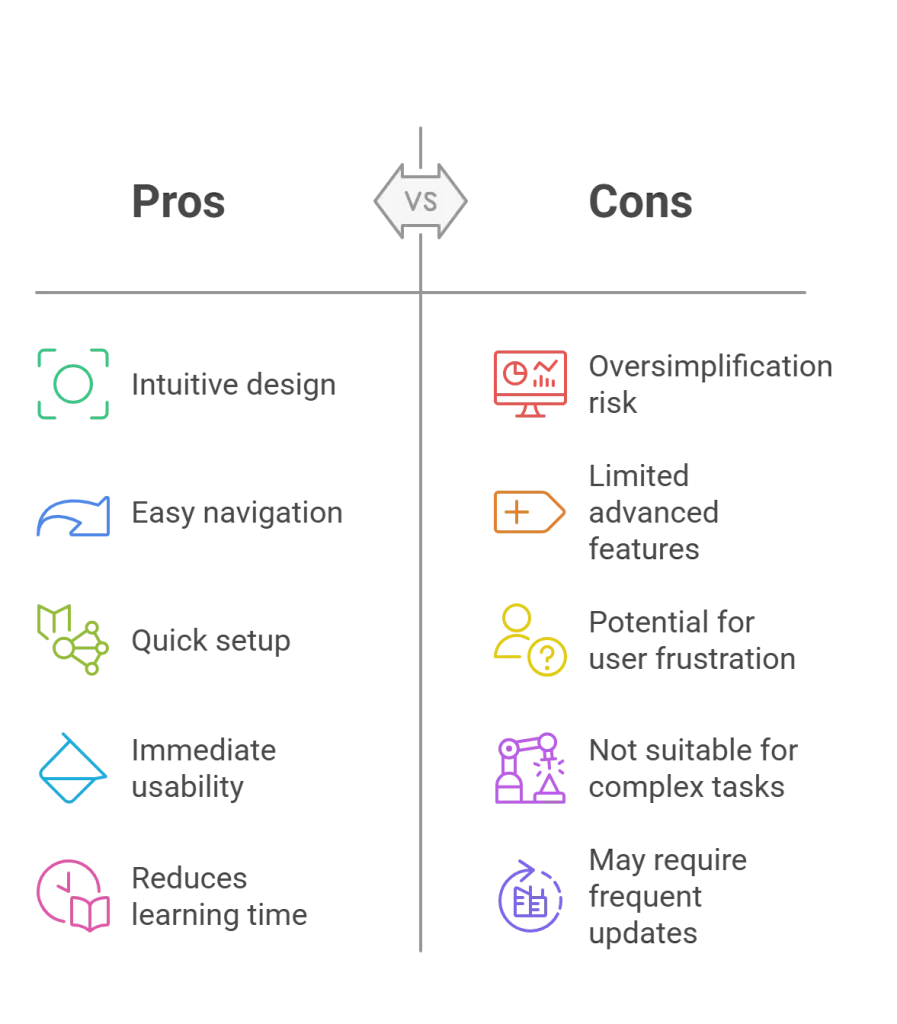
Pros
Efficiency Gains: Automates routine tasks, freeing up time for strategic work.
Improved Decision Making: Provides actionable insights through data analytics.
Enhanced Employee Satisfaction: Better scheduling and clear career paths improve morale.
Cost Savings: Avoids overstaffing and reduces unnecessary labor costs.
Scalability: Grows with your business, accommodating increased complexity.
Cons
Initial Cost: High-quality software may require a significant upfront investment.
Training Needs: There can be a learning curve, especially for larger, feature-rich platforms.
Integration Challenges: Legacy systems might not always sync perfectly.
Data Overload: Too much data can be overwhelming without proper analysis tools.
One must balance these benefits against drawbacks. The secret is to concentrate on what complements your company objectives. The advantages often exceed the first challenges, especially when the program starts to be a regular part of your daily activities.
Practical Steps to Get Started
You are thus convinced that labor planning tools can revolutionize something. What should we do next? These doable steps should assist you to begin going:
Conduct an Internal Audit: Review your current HR processes. Identify gaps where the software could have the most impact. This is your starting point.
Set Clear Objectives: Define what success looks like. Whether it’s reducing overtime costs or improving employee retention, clear goals will guide your decision-making.
Research Your Options: Take a deep dive into the top software tools. Compare features, read user reviews, and consider reaching out for demos.
Involve Your Team: Get feedback from your HR team and other key stakeholders. Their hands-on experience will offer insights you might overlook from a distance.
Plan Your Budget: Understand the costs involved and how they align with your overall HR budget. Look for tools that offer a good return on investment.
Prepare for Change: Change management is crucial. Communicate the benefits of the new software to your team and plan for adequate training and support.
Start Small: Roll out the software in a controlled environment. Pilot projects can help you identify potential issues before a full-scale launch.
8. Monitor and Adapt: Once the software is live, continuously monitor its performance. Use feedback to optimize processes and fully harness its capabilities.
Final Thoughts
Today’s competitive environment demands workforce planning; it is not a luxury. Accepting the best software solutions can help you not only simplify HR processes but also create a more agile, responsive, and empowered staff. Though the road seems difficult, each step you take moves you toward a day when your people management will be as seamless as butter on a hot skillet.
In this digital age, data is king. And with the right workforce planning tool, you’re not just managing employees; you’re harnessing the power of data to make informed, strategic decisions that drive success. So, gear up, dive into the options, and let the transformation begin!
A Quick Recap
Workforce planning software helps you predict, schedule, and manage your team effectively.
Top players like Workday, Anaplan, Deel, Planful and ADP each offer unique strengths.
Key features include user-friendly interfaces, data integration, real-time analytics, and mobile accessibility.
Choosing the right software involves understanding your needs, gathering input, and planning for the future.
Implementation is a journey start small, train thoroughly, and continuously optimize.
The future holds even more automation, AI-driven insights, and enhanced integration capabilities.
With these insights and practical tips, you’re well-equipped to embark on the journey toward smarter workforce planning. Whether you’re revamping your current processes or starting fresh, the right software can make all the difference.
Beyond the Basics: Advanced Strategies for Workforce Planning Success
For those ready to take their HR strategy to the next level, here are some advanced strategies:
Embrace Continuous Learning
The workforce and your sector are continually changing. Integrate ongoing education into your culture. Find skill shortages using your workforce planning tool and fund-focused training initiatives. Your company grows more the wiser your staff gets.
Foster a Culture of Transparency
Transparency isn’t only a catchphrase. It promotes responsibility and trust. Share candidly with your staff using your data on the decisions taken and the goals established. Everyone is more likely to cooperate harmonically toward shared goals when they all know the strategy.
Leverage Predictive Analytics
One game-changer is predictive analytics. Forecasts for staffing demands, as well as employee turnover, training requirements, and future market trends, should come from it. These realizations let you move from reactive to proactive. Knowing what’s ahead is, after all, half the battle won.
Integrate Employee Feedback
Although your labor planning program gathers a lot of data numbers by themselves, they do not fully represent the picture. Combine staff comments to give your observations a personal twist. Informal check-ins, polls, and interviews can clarify why particular tendencies show up in the data and how you might handle them.
Innovate with Technology
Explore novel technical integrations without reservation. From mobile app improvements to chatbots driven by artificial intelligence, HR is changing dynamically. Watch developing trends and be ready to embrace ideas that can simplify your operations even further.
Conclusion
Software for workforce planning goes considerably beyond a tech update. It’s a calculated bet on the future of your company. Selecting the correct instrument and using it deliberately can help you turn HR issues into competitive opportunities. Though the road may be lengthy and full of turns, the benefits of better decision-making, more efficiency, and a happier workforce betterment of which outweigh the work.
There are several choices available there, each with advantages and features unique to it. The secret is to match those choices to your long-term vision, team needs, and corporate objectives. Whether your inclination is for the strong analytics of Oracle HCM Cloud or the user-friendly design of Workday, the secret is to remain informed, be receptive to change, and always keep your people at the core of your approach.
Good workforce planning is like a well-rehearsed symphony; each section performs its part, the conductor that is you keep everyone in sync, and the outcome is a harmonic, efficient operation that pleases both staff members and clients.
Your workforce planning will not only be about filling gaps but also about creating a strong, dynamic team prepared to meet whatever challenges lie ahead. Good preparation!